

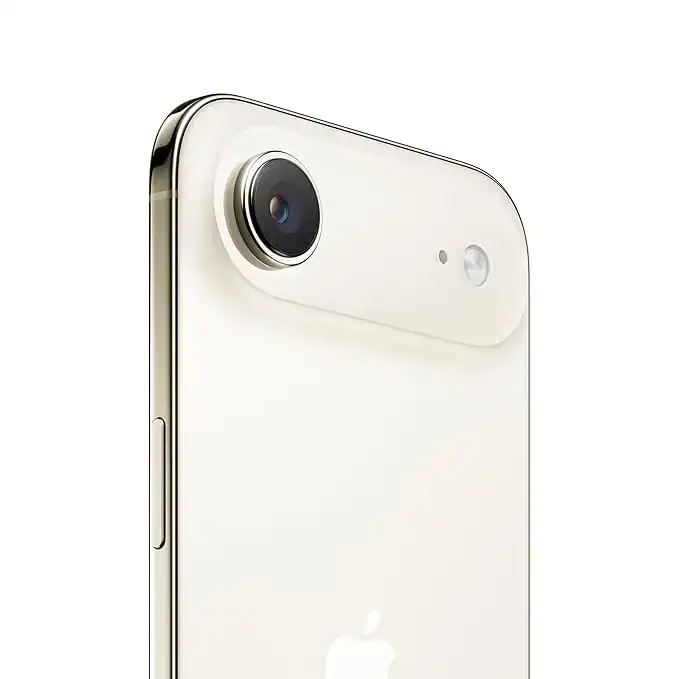
Apple’s sleek and ultra-thin iPhone Air was supposed to be a design statement — a reminder that Apple could still surprise the industry with form over bulk. Yet, just a month after its launch, reports reveal that Apple is cutting iPhone Air production by a massive margin. The company’s quiet retreat from its newest model raises one pressing question: why Apple is cutting iPhone Air production so soon after launch.
Why Apple Is Cutting iPhone Air Production Despite Its Stylish Launch
When Apple unveiled the iPhone Air in September 2025, it was marketed as the thinnest, lightest iPhone ever — just 5.6mm thick with a titanium frame. It looked futuristic, felt premium, and promised elegance. But design alone doesn’t sell smartphones anymore, and Apple’s customers made that very clear.
Early reports from China suggested mild enthusiasm, but within weeks, analysts began to signal trouble. Apple started slashing iPhone Air production, cutting planned units by nearly one million, according to Mizuho Securities. Then, Nikkei Asia confirmed what many suspected — Apple wasn’t just adjusting production; it was cutting it down to near end-of-production levels. In other words, this product’s lifecycle might already be over before it began.
The reality is simple: the market didn’t want the iPhone Air. The device traded practical features for an ultra-slim design, and consumers saw through it. Buyers wanted bigger batteries, better cameras, and stronger performance — not a phone that was thinner than a pencil.
The Demand Collapse That Forced Apple’s Hand
So, why is Apple cutting iPhone Air production so drastically? Because the demand simply isn’t there. A report by KeyBanc Capital Markets found “virtually no demand” for the model outside China. Even in major markets, it failed to attract consistent sales.
Ming-Chi Kuo, one of the most trusted Apple analysts, revealed that Apple’s supply chain is preparing for an 80% reduction in iPhone Air-related production for early 2026. That’s not just a slowdown — it’s an early obituary. Kuo even stated that long-lead components for the Air are being discontinued by the end of 2025, signaling that Apple doesn’t plan to continue this model for long.
It’s a massive cut for a product that’s barely a month old. When suppliers start halting parts orders, it usually means one thing: Apple has quietly moved on.
Apple Misread What Its Consumers Wanted
The biggest mistake wasn’t the product itself — it was Apple’s assumption that customers would prioritize sleekness over practicality. The company bet big on thinness as a form of luxury, believing people would pay a premium for a slimmer, lighter iPhone. But modern buyers don’t think that way anymore.
At $999 in the U.S. and ₹1,19,900 in India, the iPhone Air didn’t make sense for most users. It had a smaller battery, a single rear camera, and weaker audio compared to the standard iPhone 17 — yet it cost almost as much as a Pro model. The result? No one wanted it.
Even Apple’s decision to sell a MagSafe battery pack specifically for the Air told buyers everything they needed to know — that its “all-day battery life” wasn’t enough. Apple’s obsession with thinness directly undercut its own marketing message.
The iPhone Air Is Facing a Quiet Discontinuation
Apple hasn’t officially said the iPhone Air is being discontinued, but all evidence points to a soft retirement. The device is still listed on Apple’s website and available for immediate shipment, while Pro models are on backorder for weeks. That’s never a good sign.
This isn’t the first time Apple has handled a flop this way. The iPhone 12 mini and iPhone 14 Plus met similar fates — both phased out without formal announcements, simply replaced by newer, more practical models. The iPhone Air appears next in line for the same quiet exit.
Even the timing of Apple’s production cut hints at this. Scaling back to “less than 10% of initial volume,” as Nikkei reported, is Apple’s way of letting a product fade away without ever saying it failed. It’s damage control disguised as efficiency.
Apple’s Design Gamble Didn’t Pay Off
At its core, why Apple is cutting iPhone Air production comes down to a design gamble that didn’t connect with real buyers. The company wanted to remind people of its design prowess, but consumers in 2025 care more about longevity, camera versatility, and battery life than shaving off a few millimeters.
The iPhone Air’s failure is a reflection of how Apple’s priorities sometimes clash with market reality. Apple can make something beautiful, but beauty alone doesn’t move units anymore — substance does. The Pro and Pro Max models outselling the Air prove that people are willing to carry a slightly thicker phone if it means better endurance and more capability.
A Lesson Apple Can’t Ignore
The iPhone Air wasn’t a bad idea; it was a badly timed one. It arrived in a market that values endurance over elegance, practicality over polish. Apple’s marketing leaned heavily on nostalgia — the idea that thinner is better — when modern buyers had already moved on.
And while Apple won’t say it publicly, cutting iPhone Air production to such extreme levels is effectively a silent discontinuation. The company will shift its resources back toward the iPhone 17 Pro and its upcoming foldable projects. The Air will fade into Apple’s history as another experiment that looked good on stage but didn’t survive in the real world.
The irony? Apple built its thinnest, lightest, most refined phone ever — and consumers answered with silence. In chasing the past, Apple might have just learned a hard lesson about the future.
Apple’s sleek and ultra-thin iPhone Air was supposed to be a design statement — a reminder that Apple could still surprise the industry with form over bulk. Yet, just a month after its launch, reports reveal that Apple is cutting iPhone Air production by a massive margin. The company’s quiet retreat from its newest model raises one pressing question: why Apple is cutting iPhone Air production so soon after launch.
Why Apple Is Cutting iPhone Air Production Despite Its Stylish Launch
When Apple unveiled the iPhone Air in September 2025, it was marketed as the thinnest, lightest iPhone ever — just 5.6mm thick with a titanium frame. It looked futuristic, felt premium, and promised elegance. But design alone doesn’t sell smartphones anymore, and Apple’s customers made that very clear.
Early reports from China suggested mild enthusiasm, but within weeks, analysts began to signal trouble. Apple started slashing iPhone Air production, cutting planned units by nearly one million, according to Mizuho Securities. Then, Nikkei Asia confirmed what many suspected — Apple wasn’t just adjusting production; it was cutting it down to near end-of-production levels. In other words, this product’s lifecycle might already be over before it began.
The reality is simple: the market didn’t want the iPhone Air. The device traded practical features for an ultra-slim design, and consumers saw through it. Buyers wanted bigger batteries, better cameras, and stronger performance — not a phone that was thinner than a pencil.
The Demand Collapse That Forced Apple’s Hand
So, why is Apple cutting iPhone Air production so drastically? Because the demand simply isn’t there. A report by KeyBanc Capital Markets found “virtually no demand” for the model outside China. Even in major markets, it failed to attract consistent sales.
Ming-Chi Kuo, one of the most trusted Apple analysts, revealed that Apple’s supply chain is preparing for an 80% reduction in iPhone Air-related production for early 2026. That’s not just a slowdown — it’s an early obituary. Kuo even stated that long-lead components for the Air are being discontinued by the end of 2025, signaling that Apple doesn’t plan to continue this model for long.
It’s a massive cut for a product that’s barely a month old. When suppliers start halting parts orders, it usually means one thing: Apple has quietly moved on.
Apple Misread What Its Consumers Wanted
The biggest mistake wasn’t the product itself — it was Apple’s assumption that customers would prioritize sleekness over practicality. The company bet big on thinness as a form of luxury, believing people would pay a premium for a slimmer, lighter iPhone. But modern buyers don’t think that way anymore.
At $999 in the U.S. and ₹1,19,900 in India, the iPhone Air didn’t make sense for most users. It had a smaller battery, a single rear camera, and weaker audio compared to the standard iPhone 17 — yet it cost almost as much as a Pro model. The result? No one wanted it.
Even Apple’s decision to sell a MagSafe battery pack specifically for the Air told buyers everything they needed to know — that its “all-day battery life” wasn’t enough. Apple’s obsession with thinness directly undercut its own marketing message.
The iPhone Air Is Facing a Quiet Discontinuation
Apple hasn’t officially said the iPhone Air is being discontinued, but all evidence points to a soft retirement. The device is still listed on Apple’s website and available for immediate shipment, while Pro models are on backorder for weeks. That’s never a good sign.
This isn’t the first time Apple has handled a flop this way. The iPhone 12 mini and iPhone 14 Plus met similar fates — both phased out without formal announcements, simply replaced by newer, more practical models. The iPhone Air appears next in line for the same quiet exit.
Even the timing of Apple’s production cut hints at this. Scaling back to “less than 10% of initial volume,” as Nikkei reported, is Apple’s way of letting a product fade away without ever saying it failed. It’s damage control disguised as efficiency.
Apple’s Design Gamble Didn’t Pay Off
At its core, why Apple is cutting iPhone Air production comes down to a design gamble that didn’t connect with real buyers. The company wanted to remind people of its design prowess, but consumers in 2025 care more about longevity, camera versatility, and battery life than shaving off a few millimeters.
The iPhone Air’s failure is a reflection of how Apple’s priorities sometimes clash with market reality. Apple can make something beautiful, but beauty alone doesn’t move units anymore — substance does. The Pro and Pro Max models outselling the Air prove that people are willing to carry a slightly thicker phone if it means better endurance and more capability.
A Lesson Apple Can’t Ignore
The iPhone Air wasn’t a bad idea; it was a badly timed one. It arrived in a market that values endurance over elegance, practicality over polish. Apple’s marketing leaned heavily on nostalgia — the idea that thinner is better — when modern buyers had already moved on.
And while Apple won’t say it publicly, cutting iPhone Air production to such extreme levels is effectively a silent discontinuation. The company will shift its resources back toward the iPhone 17 Pro and its upcoming foldable projects. The Air will fade into Apple’s history as another experiment that looked good on stage but didn’t survive in the real world.
The irony? Apple built its thinnest, lightest, most refined phone ever — and consumers answered with silence. In chasing the past, Apple might have just learned a hard lesson about the future.