Samsung Galaxy Trifold Foldable Confirmed – Full Specs & Launch Date Revealed

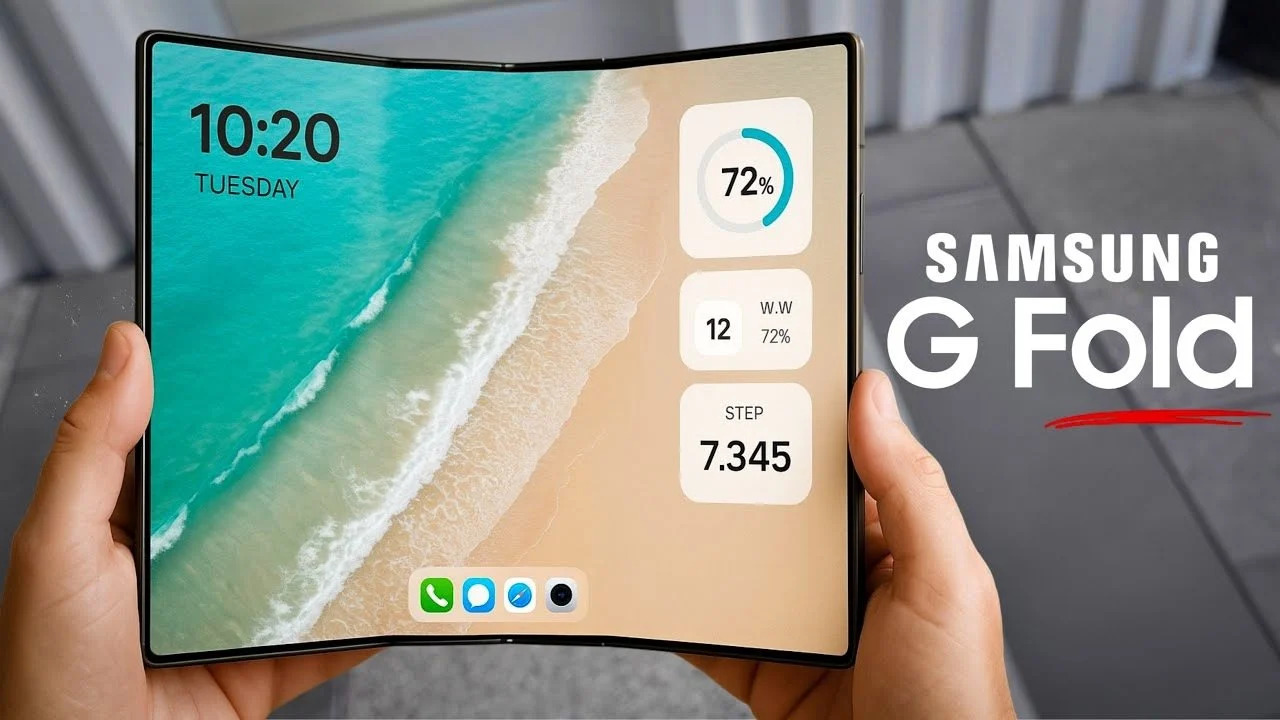
Galaxy G Fold

Samsung is all set to launch its first tri-fold smartphone, tentatively named the Galaxy G Fold, by Q4 2025. While it skipped any mention during the Galaxy Unpacked event, Samsung’s CEO has now confirmed the device is real and production-ready.

A True Flagship Foldable Experience

The Samsung Galaxy G Fold Trifold is not just another foldable—it’s a breakthrough in smartphone engineering. Its unique triple-fold mechanism allows the device to transform from a compact phone into a full-sized tablet with ease. Samsung has optimized One UI for seamless multitasking, app continuity, and stylus support. Whether you’re gaming, editing documents, or consuming content, this trifold form factor offers unmatched flexibility, productivity, and a futuristic user experience that sets it apart from anything else on the market.

Key Highlights of Galaxy G Fold:

  • Launch Timeline: Expected in late 2025
  • Displays:
    • Outer screen: 6.5 inches
    • Unfolded screen: Huge 10-inch AMOLED tablet
  • Processor: Snapdragon 8 series flagship
  • Camera Setup:
    • Main: 200MP
    • Telephoto: 10MP with 3x optical zoom
    • Ultra-wide: 12MP
    • Front: 10MP
  • Battery: ~5,500mAh (unconfirmed)
  • Expected Price: Around ₹2.45 lakh (INR)
  • Form Factor: Compact when folded, full tablet when opened

Why It Matters:

The Galaxy G Fold brings a true tablet experience in your pocket. Unlike current foldables that feel like a compromise, the trifold layout hits a perfect 4:3 aspect ratio, ideal for apps, games, and multitasking. It unfolds from a standard phone to a 10-inch screen — no awkward dimensions, just clean usability.

Will It Be Worth It?

Samsung is reportedly concerned about whether users are ready to spend this much on a first-gen trifold, but early hype and social media polls show massive interest. The device will likely launch as a premium limited-edition before prices drop in future versions.


Also read:-
YouTube Shuts Down Trending Tab, Focuses on Category-Based Discovery

YouTube Trending Tab removed update – YouTube replaces Trending with category-based discovery options

YouTube Trending Tab removed – that’s the latest change by the video platform as it shifts towards more personalized and category-based content discovery. Instead of a one-size-fits-all trending list, YouTube is now investing in topic-specific charts like music, gaming, tech, and more.

The platform says the change reflects modern content consumption habits, where users follow niche trends across Shorts, Reels, and TikTok rather than one viral video list. YouTube’s Trending page, introduced in 2015, has seen declining user engagement over the past five years.

What’s Changing:

  • The Trending tab and “Trending Now” list will be phased out in the coming weeks.

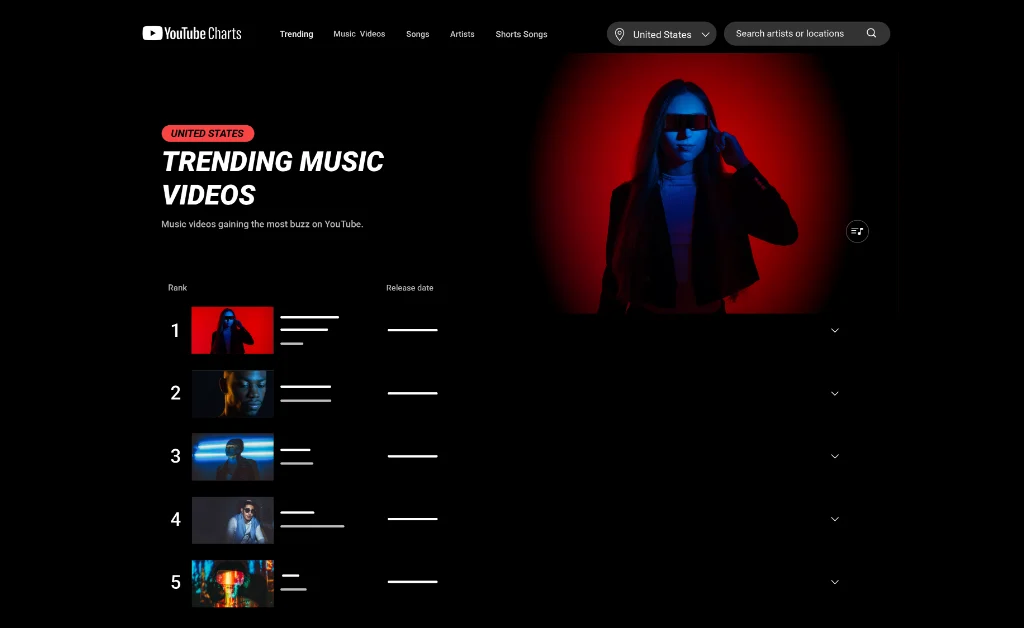
  • YouTube Charts will take center stage, offering genre-based rankings across music, movies, podcasts, and more.

  • Gaming videos will continue to be featured under the Explore > Gaming section.

  • New category-based charts for tech, sports, beauty, and podcasts are also on the way.

YouTube says this shift will benefit independent creators, many of whom felt overlooked by the old Trending list which often favored large media companies.

This update aims to deliver more personalized content, helping viewers find what matters to them while supporting a broader creator ecosystem.

Why Did YouTube Remove the Trending Tab?

The Trending tab, launched in 2015, once served as a place to highlight viral content. But in the age of TikTok, Shorts, and personalized feeds, YouTube says user behavior has changed. People now prefer discovering trending content within categories they care about, like music, gaming, or sports.

YouTube stated in a blog post:

“Trends today are made up of many videos by many fandoms. Instead of one all-encompassing list, we’re investing in category-specific charts for better discovery.”

Where Will Gamers & Fans Find Their Content Now?

Gamers and topic-specific fans can now head to YouTube’s Explore section, where category-wise leaderboards and trending charts will be available.

For example, if you love gaming, you’ll see what’s hot in that category — no need to scroll through unrelated viral videos.

Why This Change Matters for Creators

Many small or independent creators had long criticized YouTube’s Trending tab for disproportionately favoring big production houses, celebrities, and already-viral content — leaving little room for emerging voices to break through. This often led to frustration among creators who consistently produced quality content but struggled to gain visibility. With the shift to category-based discovery, YouTube is offering a more level playing field. Now, creators can be surfaced within specific niches like tech, beauty, or education, allowing relevant audiences to discover them more easily — even without millions of subscribers or a massive promotional budget.

Final Thoughts: A Smarter YouTube Experience

The shutdown of the Trending tab marks a bold and strategic shift by YouTube toward a more personalized discovery experience, aligning the platform with modern content consumption trends seen on TikTok and Instagram. Instead of showcasing a universal list of popular videos, YouTube is now focusing on surfacing content tailored to individual users’ interests and watch patterns.

This transition could significantly democratize visibility across the platform, allowing a wider range of creators to get discovered—not just those already trending. It also enhances user satisfaction by delivering more relevant, engaging content, giving both viewers and creators a smarter, more dynamic YouTube experience.


Also read:-

Q1: Why did YouTube remove the Trending tab?

A: YouTube says user preferences have shifted toward category-based discovery, making a single trending list outdated.

A: Category-specific charts like top music, gaming, tech, beauty, and more, found under the Explore section.

A: Yes, niche creators are now more likely to be discovered within their own categories.