
The OnePlus 15 is the clearest message the brand has sent in years: performance is the new identity. After ending the long-running Hasselblad partnership, OnePlus has gone all-in on speed, stability, thermals, and AI-powered software. And unlike previous years, the OnePlus 15 isn’t trying to be another “balanced flagship.” It’s intentionally built to be a performance monster wrapped inside a clean, mature design.
In this OnePlus 15 Review, I’ll break down whether this new direction makes the device a genuine flagship killer—or if the compromises behind the scenes hold it back.
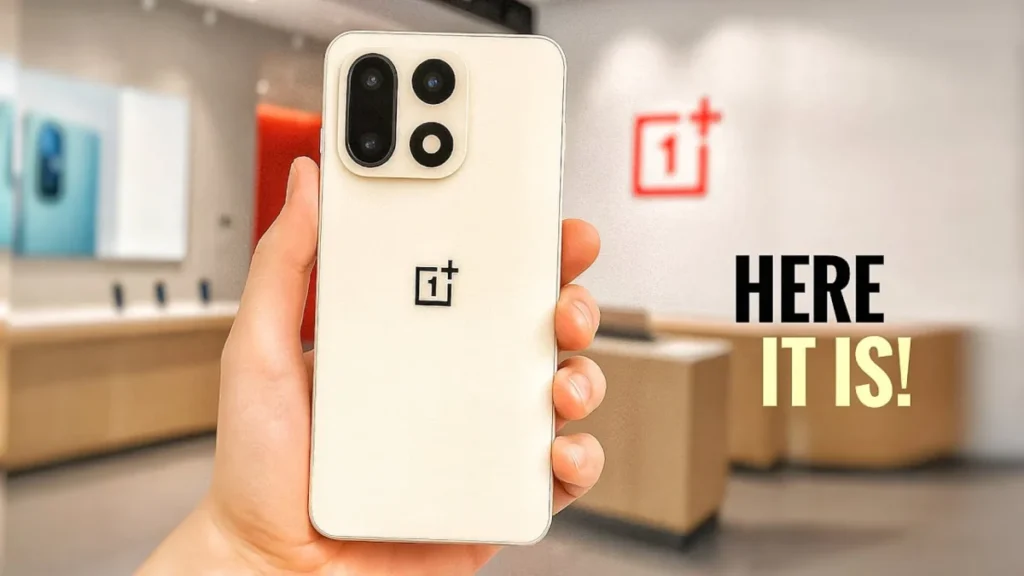
Design & Durability: Sleek, Minimal, Shockingly Tough
The OnePlus 15 continues the polished, flat-sided aesthetic, but the rounded corners and lightweight frame instantly make it feel more comfortable in the hand. What’s interesting is how each color variant uses different materials. The Sandstorm model uses fiberglass, making it surprisingly light at just 211 grams, while the Black and Violet options shift to Gorilla Glass 7i on the back. The front is protected by Gorilla Glass Victus 2, keeping it in line with flagship durability standards.
However, what truly stands out is the industry-first complete IP certification. The OnePlus 15 isn’t just IP68. It’s IP66, IP67, IP68, and IP69K. That includes resistance to dust, rain, immersion, and even high-pressure hot water jets. Practically, this is the most durable OnePlus phone ever made.
The iconic Alert Slider is gone, replaced by the more versatile Plus Key, which ties into the phone’s AI capabilities. You can map it to actions, shortcuts, and contextual flows, and it feels like OnePlus finally modernized something that was once a fan-favorite relic.
Display: 165Hz Brilliance with a Smart Compromise
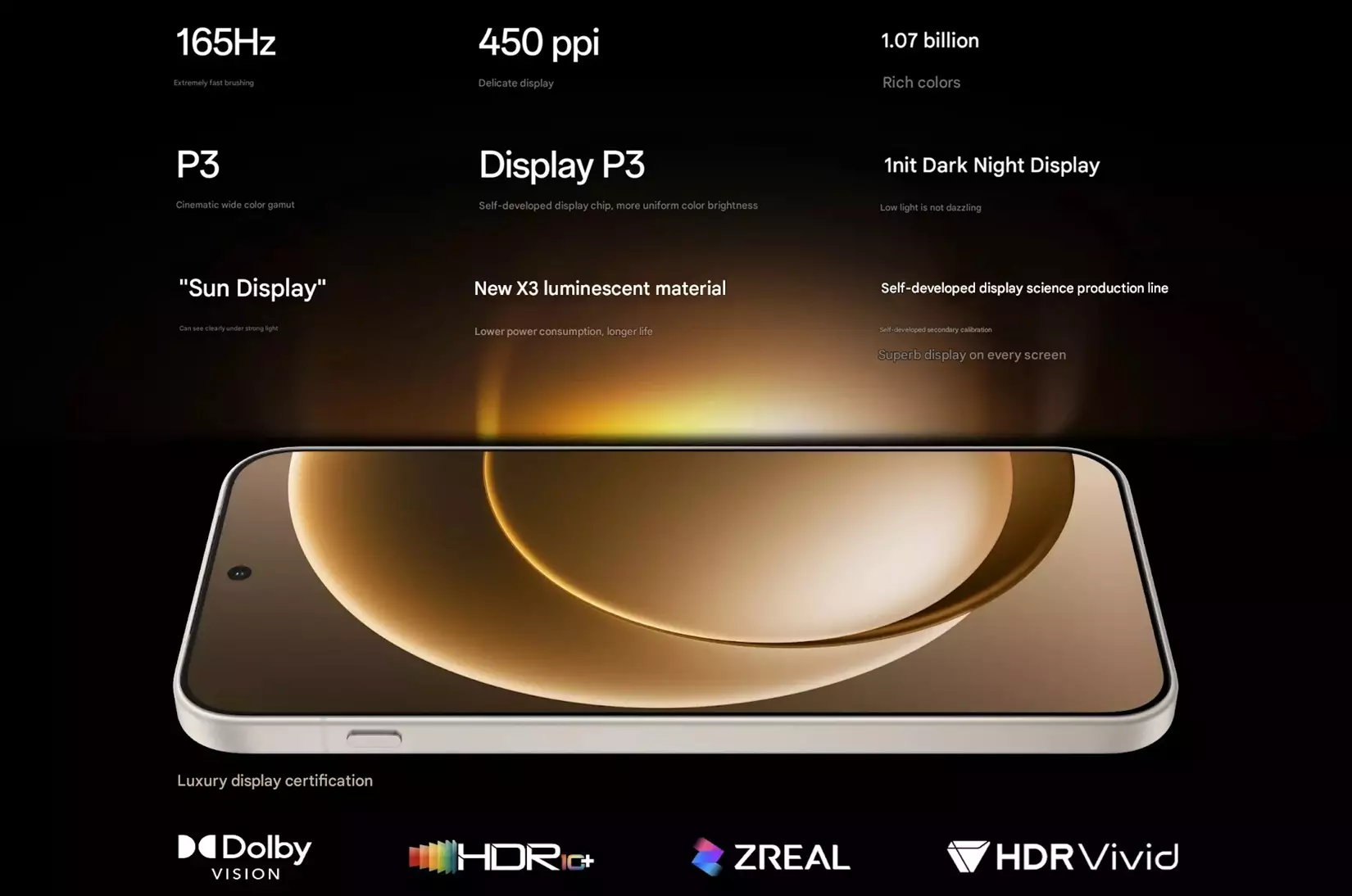
On paper, the 6.78-inch LTPO display doesn’t scream groundbreaking—until you see the 165Hz refresh rate. It’s an industry first on a mainstream flagship. The panel dynamically scales from 1Hz to 120Hz in most apps, but supported games and apps can unlock the native 165Hz mode.
Of course, this upgrade comes with a catch: the resolution drops from 2K on the OnePlus 13 to 1.5K. OnePlus claims that running 2K at 165Hz simply isn’t possible yet.
In real use, the display holds up beautifully. Brightness reaches an impressive 3,600 nits peak (20% APL), making it far more usable outdoors than the 4,500-nit marketing numbers of last gen. High Brightness Mode hits 1,800 nits, and the panel drops as low as 0.5 nits for night use. Colors are punchy, HDR performance is strong, and the bezels are ridiculously slim at just 1.15 mm.
Multimedia benefits from Dolby Vision and a noticeably improved stereo speaker setup. The ultrasonic fingerprint sensor is among the fastest I’ve used.
Performance: The New Flagship Benchmark
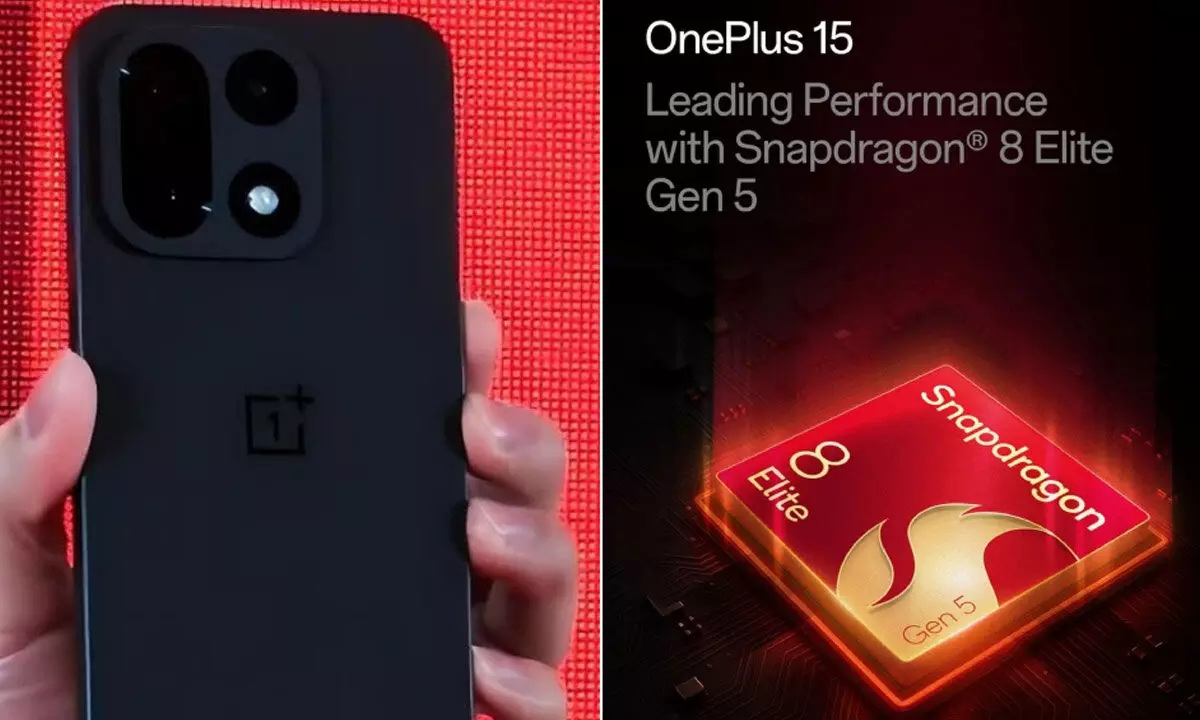
Performance is where the OnePlus 15 Review gets exciting. Powered by the Snapdragon 8 Elite Gen 5, the phone hits numbers that no Android phone in India has touched yet. OnePlus didn’t just drop in the chip—they rewrote massive parts of the kernel scheduler (over 25k lines of code) to better allocate resources during gaming and heavy tasks.
And the result? A jaw-dropping 4 million+ Antutu score.
Thermals stay under control thanks to the 360° Cryo-Velocity cooling system. Even during sustained 165Hz gaming, the temperature doesn’t cross 42–43°C. This is a huge achievement for a device this slim.
The storage is UFS 4.1 and the RAM is next-gen too. The 16GB variant uses LPDDR5X Ultra Plus—officially the fastest smartphone RAM in the world. Multitasking is instant, loading times vanish, and the device holds apps in memory like a true flagship workstation.
You also get a triple-chip setup:
Snapdragon 8 Elite Gen 5
Dedicated Wi-Fi G2 chip
Dedicated Touch Response chip (3,200 Hz sampling)
This combination directly boosts gaming stability, network consistency, and touch responsiveness. It genuinely feels like a console-level input system.
Gaming Performance: A Beast in Disguise
If you’re a gamer, the OnePlus 15 is almost unfair. Titles like Call of Duty Mobile run at 165 FPS, something previously unheard of on phones. Genshin Impact—one of the most demanding games—runs at a native 120 FPS with shocking stability.
The new gyroscope is console-grade, providing pinpoint precision during competitive gameplay. Bypass Charging keeps heat low during long sessions by powering the phone directly from the charger.
Stereo speakers offer great channel separation, which helps identify enemy direction. Simply put, this phone is built for gamers in a way no mainstream flagship has ever dared.
Battery, Charging & Connectivity: Flagship Leading Numbers
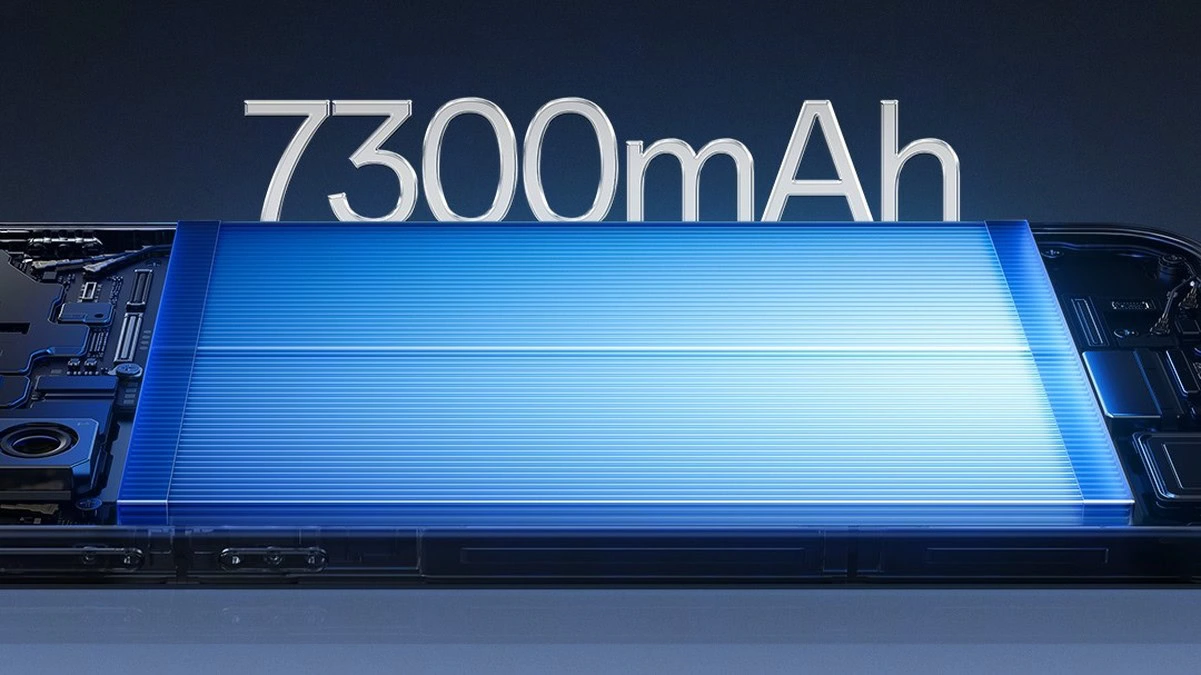
he massive 7,300 mAh silicon-carbon battery is one of the biggest upgrades here. Unlike the typical 5,000 mAh setups on competitors, this battery comfortably lasts:
9 hours of heavy gaming
1.5 to 2 days of mixed use
Charging is equally impressive:
120W wired SuperVOOC
50W wireless charging
Connectivity is equally stacked with Wi-Fi 7, Bluetooth 6.0, 16 5G bands, NFC, IR blaster, NavIC, and USB 3.2 Gen 1. For streamers and competitive gamers, the high-bandwidth USB port is a small but important bonus.
Software & AI: OxygenOS Evolves
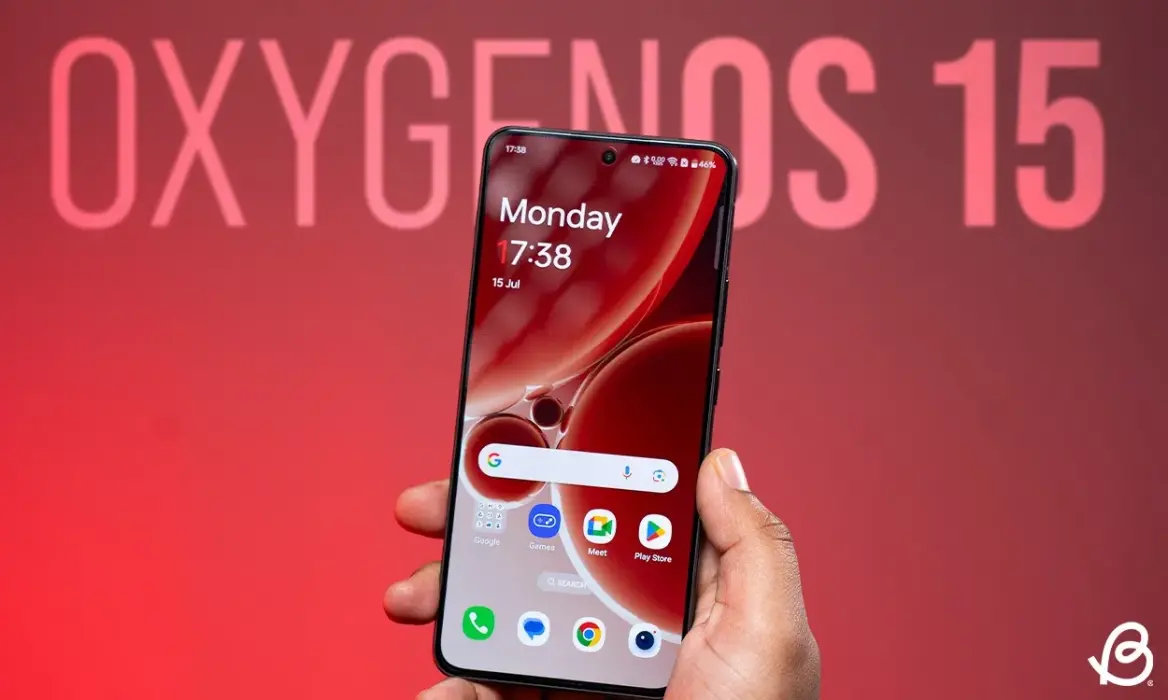
The OnePlus 15 ships with OxygenOS 16 on Android 16. Animations feel better, transitions are smoother, and stability has noticeably improved thanks to Parallel Animations 2.0.
Software support promises 4 years of major updates and 6 years of security patches.
AI now plays a central role:
Plus Key brings contextual AI shortcuts
Mind Space stores screenshots and memories
Gemini AI can pull context from your saved content
AI Play Lab brings style transfer tools
AI Call Assistant and AI Writer add more quality-of-life features
This is the most AI-forward OnePlus phone to date.
Camera: Computational Power Over Hardware
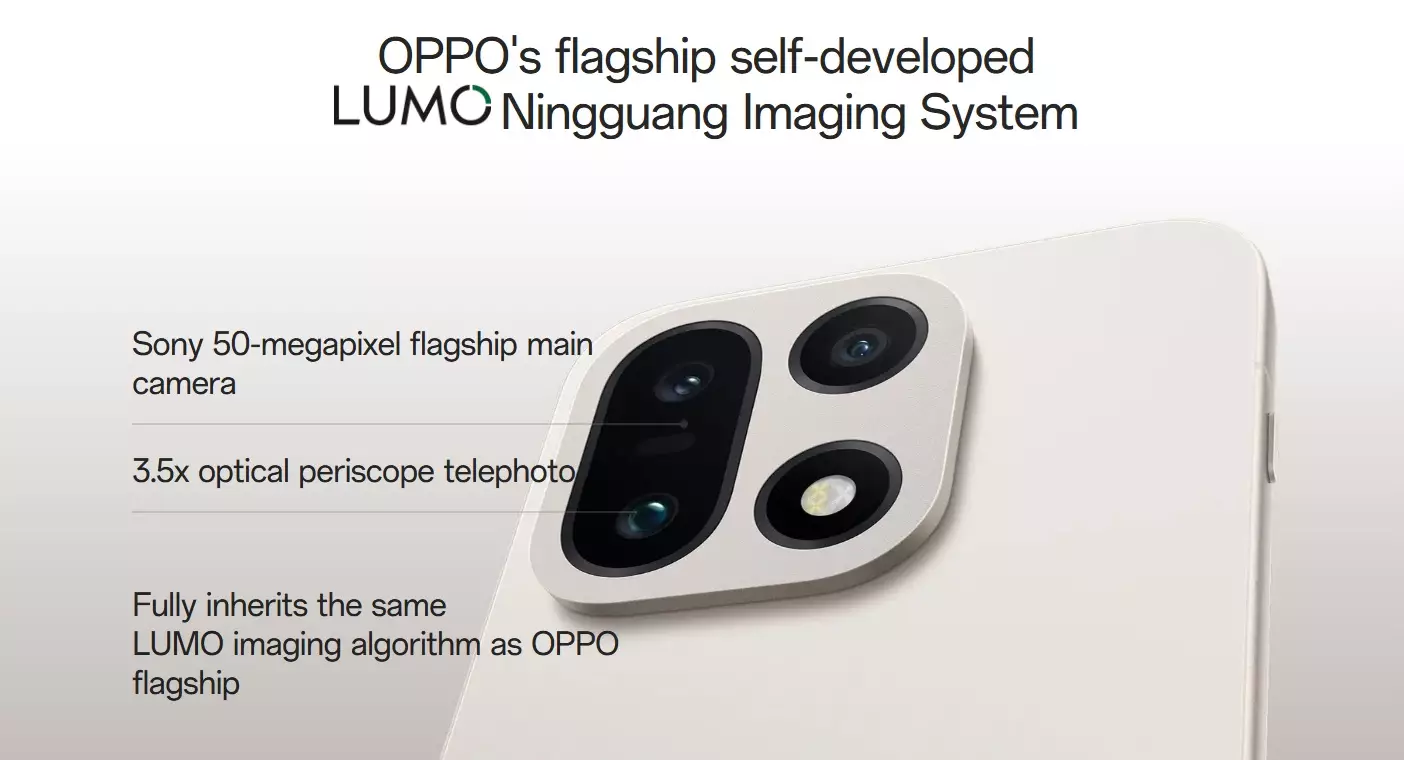
The camera setup includes three 50MP sensors and a 32MP selfie shooter with autofocus. But the real story is OnePlus’ shift to computational photography instead of sensor-based upgrades.
The new Detail Max Engine captures ten stacked frames (up from six on the OnePlus 13), producing sharper, more detailed results. Daylight shots are excellent, and low-light performance has improved significantly.
Skin tones can sometimes look inconsistent, but switching to Master Mode fixes this by retaining more natural color accuracy.
The telephoto camera offers 3.5x optical and 7x lossless hybrid zoom. The selfie camera upgrade is important—autofocus finally makes it reliable in various lighting situations.
Video gets a big boost with:
4K 60FPS on all sensors
4K 120FPS on main + telephoto
LOG video with real-time LUT previews
Dolby Vision support
Content creators will love the flexibility.
Pricing & Verdict: Should You Buy the OnePlus 15?
As explained in our previous article about the price leak, it is somewhat similar to that,
12GB + 256GB: ₹72,999 (₹68,999 effective)
16GB + 512GB: ₹79,999 (₹75,999 effective)
In my OnePlus 15 Review, it’s clear this phone is designed with a purpose. OnePlus wanted a device that dominates performance charts, wins gaming tests, and stays cold under pressure—and they’ve nailed that target.
If you want:
The fastest performance on Android
A ridiculously smooth 165Hz display
Long battery life
Excellent software
Strong computational photography
The OnePlus 15 delivers a complete flagship experience without unnecessary gimmicks.
Also Read:
M5 MacBook Pro review: exceptional performance leap or minor upgrade?
M5 iPad Pro review: hands-on testing and M4 upgrade check
ChatGPT Go free in India — OpenAI’s biggest expansion for Indian users in 2025
Redmi K90 Pro Max Launched: The Ultimate Value Flagship of 2025?
iPhone 17 Review: Smarter, Sleeker, Stronger
iPhone 17 Pro Max – The Most Powerful iPhone Yet
Best 5 Camera Phones in India for Stunning Photos (2025) – Full Reviews