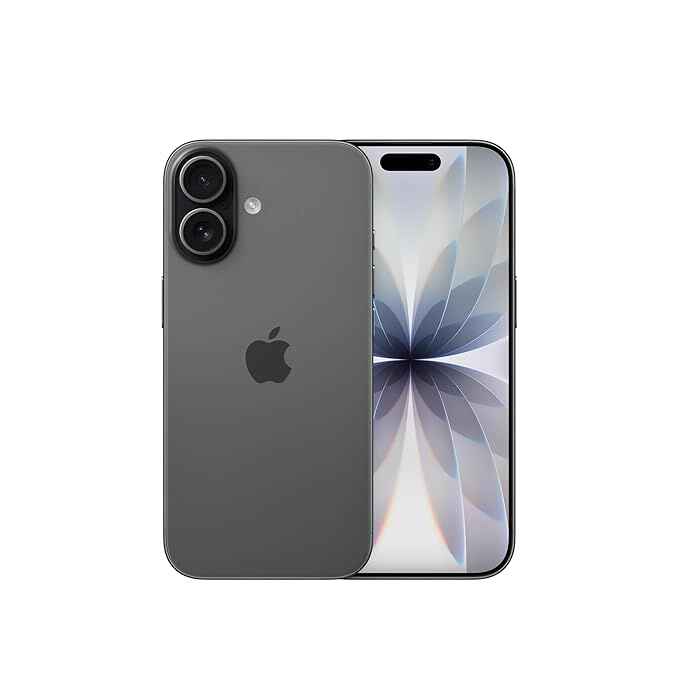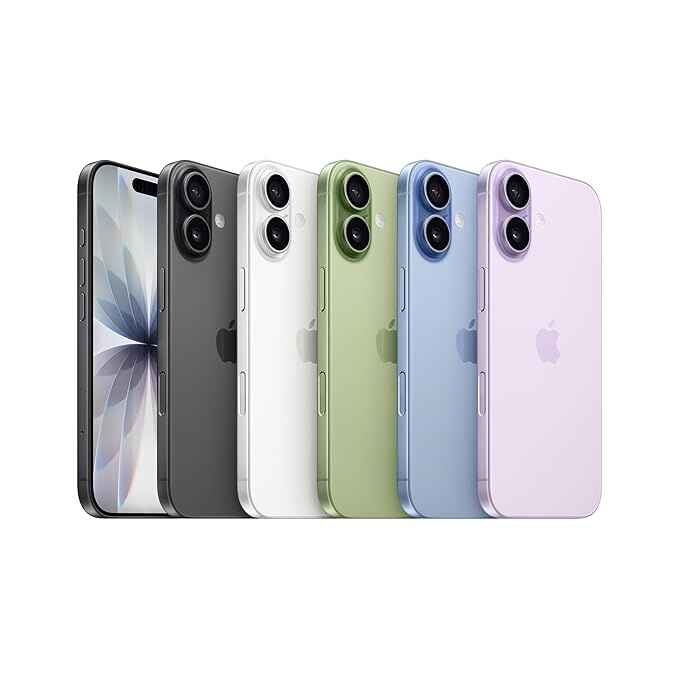
The iPhone 17 Air is Apple’s thinnest phone yet — gorgeous, featherlight, and full of compromises. Read our no-nonsense review before you buy.
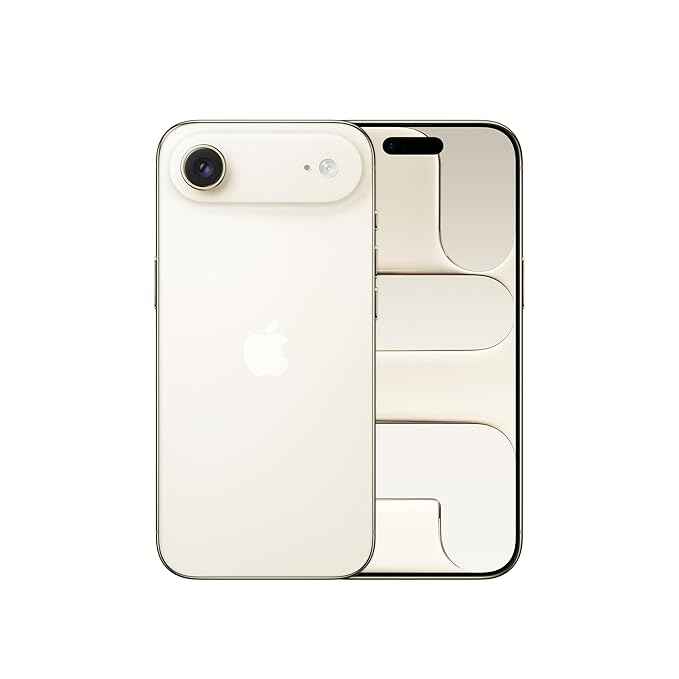
iPhone 17 Air arrives as Apple’s bold bet on thinness: a record-slim 5.64 mm chassis, Grade-5 titanium frame, and a 6.5-inch Super Retina XDR display. It looks—and feels—like a design triumph. Yet the very choices that make the Air special also force hard trade-offs. This review cuts straight to what matters: what Apple gained, what it sacrificed, and why you should pause (several times) before pulling the trigger.
Design & durability — gorgeous, counterintuitively tough
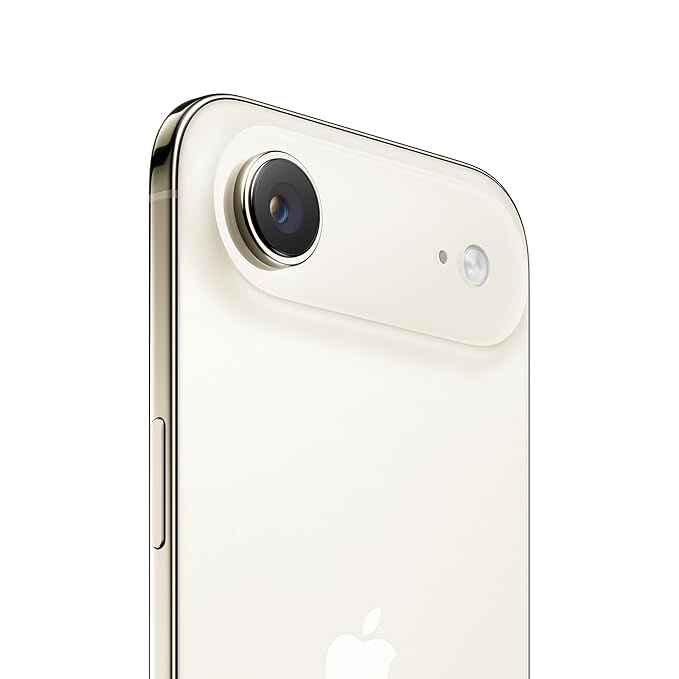
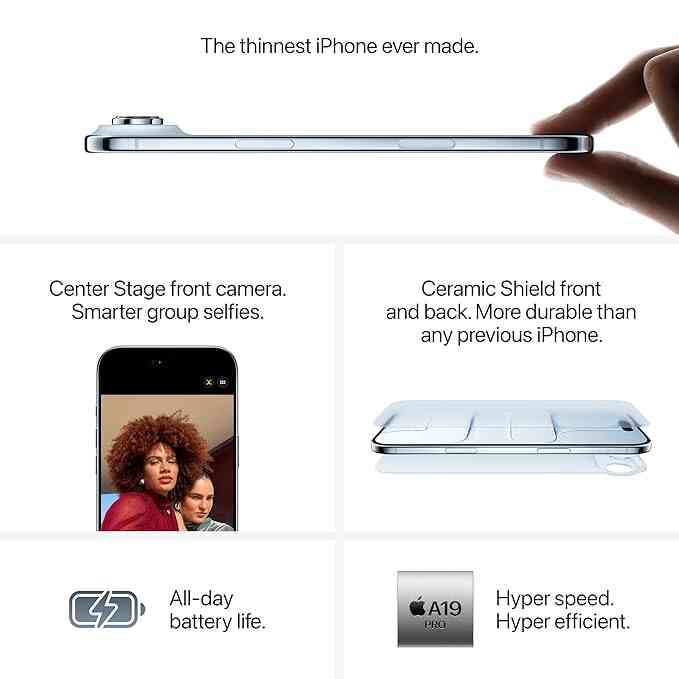
Apple nailed the look. The Air’s 5.64mm body and 165g weight feel almost unreal in the hand; it’s easily the most elegant iPhone for people who want a big screen without the bulk. Credit to the Grade-5 titanium frame and Ceramic Shield 2 front/back for keeping the phone from feeling fragile.
That said, thinness usually equals compromise. Apple solved flex and bending with clever structural engineering; reviewers found the handset surprisingly resistant to bending. Still: if you’re rough with phones, a case isn’t optional — it’s essential.
Think again if you use a phone without a case — the Air trips fewer alarms but still needs protection.
Display — bright, smooth, but a heavy hitter for battery
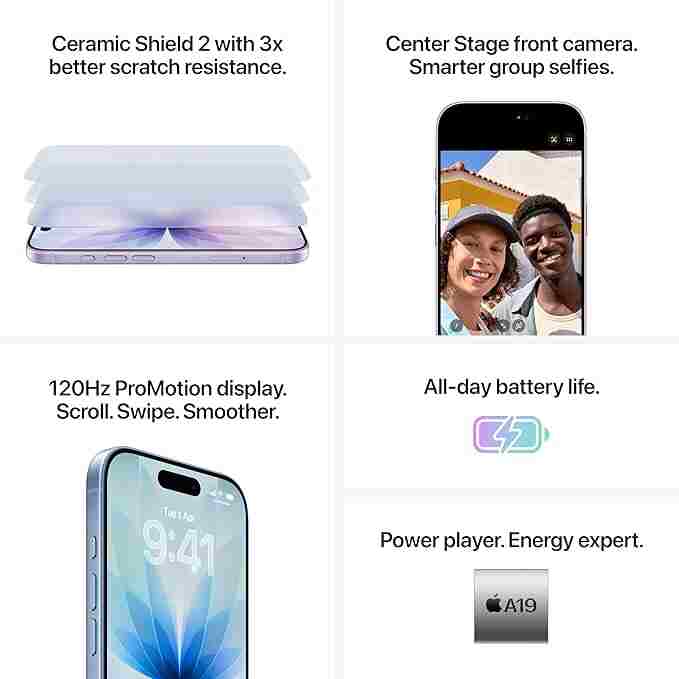
A 6.5-inch Super Retina XDR OLED with ProMotion 120Hz and peaks up to 3000 nits — this is a display that dazzles. Colors, contrast and outdoor visibility are flagship-level. The 120Hz experience is buttery and works well with the chip and UI.
But don’t forget the tradeoff: pushing 120Hz on a shallower battery is expensive. Apple tuned the software for efficiency, yet you will notice the drain under heavy use.
Ask yourself: Do you want the thinnest phone, even if that means fewer hours between charges?
Performance & thermals — Pro chip, constrained by physics
Inside sits the A19 Pro—a legitimately powerful SoC that promises Pro-grade performance. In light workloads it’s snappy and future-proof; in short bursts it can outperform many chips.
Where the Air stumbles is sustained load. Without the vapor-chamber cooling of the Pro models, the thin design forces the A19 Pro into thermal throttling under prolonged gaming or 4K recording. That means fast peak performance, followed by a noticeable drop while the phone cools.
Think again if you’re a heavy gamer or you edit video on the phone — the Air won’t hold top speeds for long.
Battery & charging — thinness bites back
Battery: 3,149 mAh (same as iPhone 16 Pro). Apple’s efficiency claims are real on light to moderate use, but real-world heavy use reports around 4.5–5 hours SOT — not great for a premium phone.
Charging is slower than the rest of the 17 family, and the MagSafe battery accessory (sold separately) is underwhelming given its heat loss and limited effective capacity.
Think again if you rely on long, unplugged days or travel frequently.
Audio — mono at a premium price
To save space, Apple removed the bottom speaker. The Air uses the earpiece as the sole speaker. It’s fine for voice calls and casual listening, but it’s not stereo, it lacks punch, and it’s a step down from most modern flagships.
Ask yourself: Will mono audio bother you while watching videos or playing games without headphones?
Camera — capable main, front is great, but wide is missing
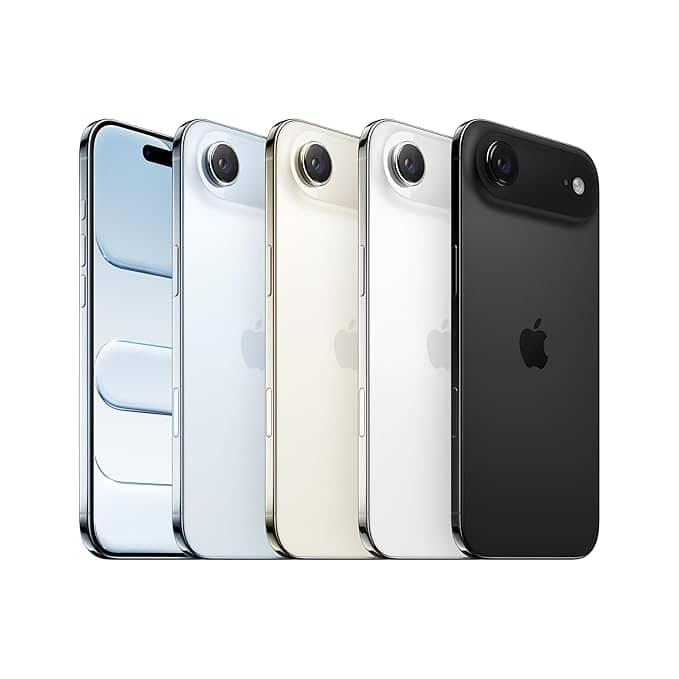
Hardware:
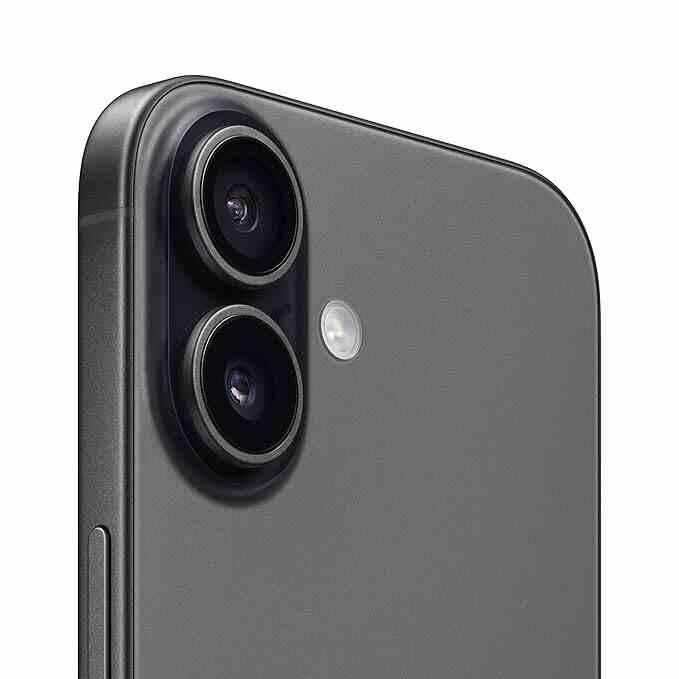
Rear: single 48MP Fusion main camera (very good).
Front: 18MP Center Stage selfie camera (excellent, wide framing for video and vlogging).
No ultrawide. No telephoto.
The main camera takes solid photos in daylight. The selfie camera is impressive and brings real creative gain for vloggers and social video creators. But the absence of an ultrawide is a glaring omission: you can’t capture expansive landscapes or tight group shots without stepping back or doing awkward stitches. For many users that’s a deal-breaker.
Think again if you love landscape photography, group shots, or rely on multiple focal lengths.
Connectivity & practical limits
eSIM only — no physical SIM tray. That’s sleek but inconvenient for frequent SIM-swappers and travellers who use local physical SIMs.
USB-C present but limited to USB 2.0 speeds — another cost-cutting compromise that affects creators who transfer big video files often.
Ask yourself: Do you frequently swap SIMs or move large files? If yes, this could be a constant annoyance.
Pros & Cons — quick checklist
Pros
Stunning, ultra-slim design and featherweight feel
Premium materials (Grade-5 titanium, Ceramic Shield 2)
Fantastic selfie camera and bright 120Hz display
Good durability for a phone this thin
Ideal for users who prioritize portability
Cons
Weak battery for heavy users (≈4.5–5h SOT reported)
Thermal throttling under sustained load (no vapor chamber)
Mono speaker, reduced loudness and bass
No ultrawide or telephoto lens — limited versatility
eSIM-only and USB 2.0 transfer speeds
Expensive for the compromises it asks you to accept
Who should buy the iPhone 17 Air?
Buy it if:
You must have the lightest, thinnest flagship with a big screen.
You prioritise form factor above all — travel convenience, a phone that disappears in a pocket, or a lifestyle accessory.
You mainly consume content, take selfies, and tether often — and can charge frequently.
Don’t buy it if:
You’re a heavy gamer or mobile creator who needs sustained peak performance.
You need multiple focal lengths (ultrawide/telephoto) in a single phone.
You often swap physical SIMs or frequently offload large video files.
Think again — at least 5 times before buying:
Think again if battery life and all-day uptime matter to you.
Think again if you use your phone as a portable studio (telephoto/ultrawide needed).
Think again if you often game or edit video on the phone — the thermal limits bite.
Think again if you value stereo speakers and immersive sound when watching media.
Think again if you regularly travel with physical SIMs or move large files — the eSIM and USB 2.0 limits will nag you.
Price & final take
Starting price: ₹1,19,900 (256GB) — or about $1,000 before taxes. That’s a lot for a phone that intentionally removes some features found on thicker counterparts.
If you want a statement piece and are willing to accept the trade-offs, the iPhone 17 Air delivers a magical pocket experience. If you want the best all-rounder for daily heavy use, cameras and battery, the iPhone 17 Pro / Pro Max or even the standard iPhone 17 are safer, more practical choices.
Final verdict: The iPhone 17 Air is a brilliant engineering exercise and a niche triumph — a phone that will delight a specific buyer profile. But for most users, it’s an expensive compromise disguised as innovation. Decide carefully.
Key specs (at a glance)
| Item | iPhone 17 Air |
|---|---|
| Display | 6.5″ Super Retina XDR, OLED, 120Hz, up to 3000 nits |
| Chipset | A19 Pro |
| RAM | (varies) |
| Storage | Starts at 256GB |
| Rear camera | 48MP Fusion (single) |
| Front camera | 18MP Center Stage |
| Battery | 3,149 mAh |
| Charging | Slower than Pro models; MagSafe accessory available |
| SIM | eSIM only |
| Speakers | Single (earpiece) speaker — mono |
| Port | USB-C (USB 2.0 speeds) |
| Water resistance | IP68 |
| Starting price (India) | ₹1,19,900 (256GB) |
FAQs
Q: Is the iPhone 17 Air fragile because it’s so thin?
No — Apple’s materials and structure make it tougher than you’d expect. Still, use a case; thin phones are vulnerable to drops and dents.
Q: Will the Air overheat during gaming?
It can — sustained heavy gaming causes thermal throttling and surface temperatures climb. Short sessions are fine; marathon sessions are not ideal.
Q: Can I use a physical SIM in the Air?
No — it’s eSIM-only globally. This is convenient long term but inconvenient when swapping SIMs.
Q: Is the MagSafe battery accessory worth it?
Not really. It helps in a pinch but is inefficient and expensive relative to wired powerbanks.
Q: Who should pick the Air over the Pro models?
Choose the Air if portability, weight and that “featherlight” feel are your top priorities — and you accept the tradeoffs.