TRAI Mandates Caller Name Display for All Incoming Calls – 5 Big Benefits You’ll Love!

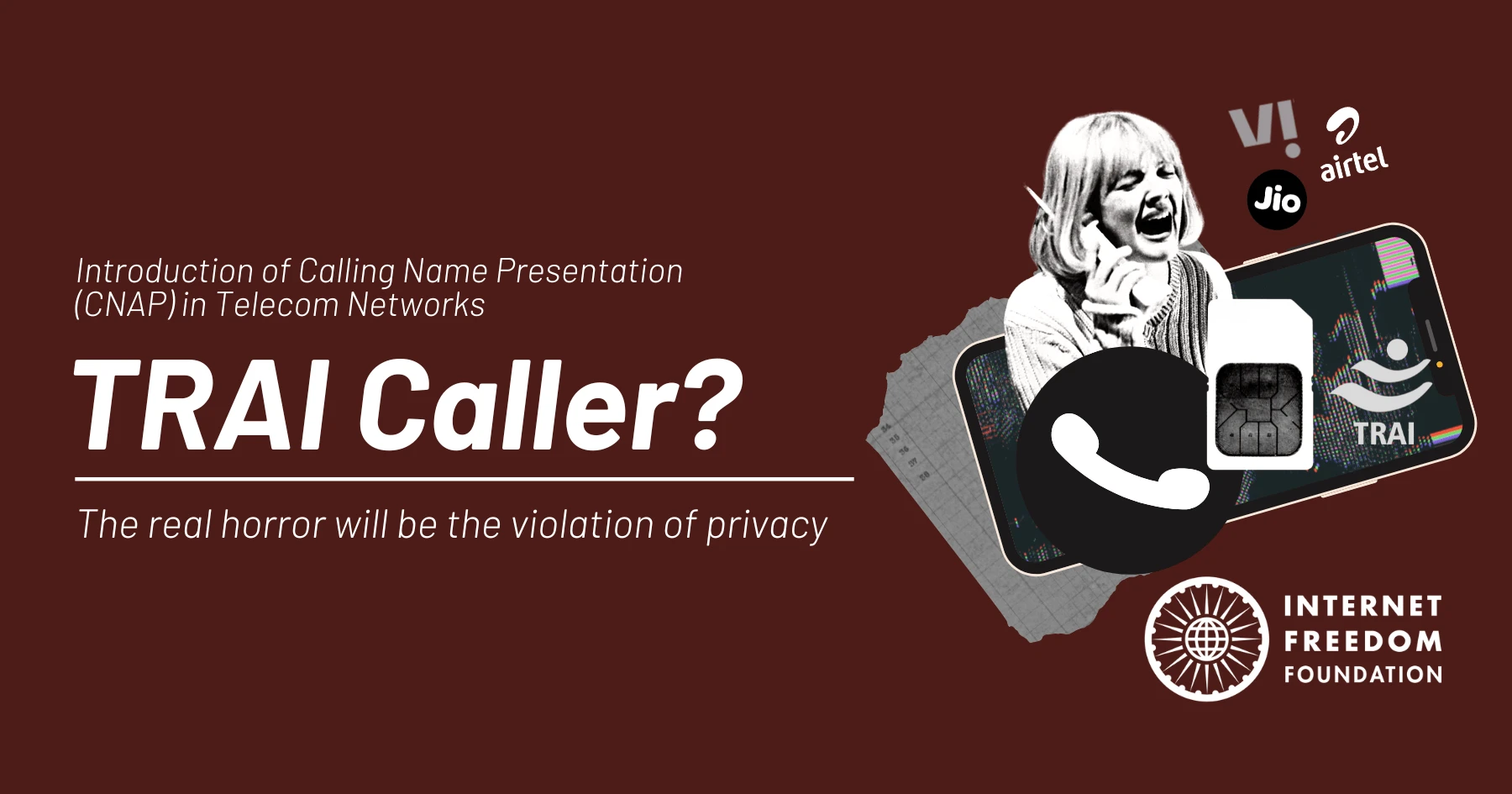
TRAI mandates caller name display as part of India’s biggest telecom transparency drive yet. The Telecom Regulatory Authority of India (TRAI) has officially approved a new system called Calling Name Presentation (CNAP), which will make it mandatory for your phone to display the verified name of the caller by default. This means that the next time you receive a call, your screen will show not just the number — but the actual name associated with that SIM card, as verified by the telecom provider.

This move, part of TRAI’s broader effort to enhance transparency and reduce fraud, will affect all 4G and 5G users in India. The TRAI mandates caller name policy marks one of the most significant telecom reforms since the rollout of KYC-based verification.

TRAI mandates caller name

What Is the CNAP System and How It Works

Under the TRAI mandates caller name regulation, each telecom service provider (TSP) — like Jio, Airtel, Vi, and BSNL — will be required to display the registered name of the caller on the recipient’s phone screen. This name will be the same one provided during the SIM registration process, ensuring government-verified identity for every call.

In simple terms, it’s a government-backed version of Truecaller — but integrated directly at the network level. The system will use telecom databases (CNAMs) to fetch the caller’s registered name when a call is made, and display it on the recipient’s device before the call is answered.


Key Features of TRAI’s Caller Name Mandate

The TRAI mandates caller name feature introduces several key changes for both consumers and telecom operators:

  • Verified Caller Identification: The displayed name will match the one provided during SIM KYC registration.

  • Default Activation: CNAP will be enabled automatically for all mobile users on 4G and advanced networks.

  • User Opt-Out: Subscribers who don’t want their name displayed can opt out by contacting their telecom provider.

  • Fraud and Spam Prevention: Aims to combat scams, spam calls, and identity misuse by ensuring verified caller names.

  • Privacy Protection: Users with Calling Line Identification Restriction (CLIR) will remain exempt.

  • Network Limitation: Implementation may be difficult on 2G and 3G due to bandwidth constraints.


Why TRAI Introduced the Caller Name Rule

According to TRAI, the caller name presentation mandate addresses a growing issue — fraudulent calls and impersonation scams. With voice phishing, fake customer care calls, and spam calls on the rise, CNAP will add a crucial layer of identity verification to telecom networks.

Similar systems already exist in countries like South Korea and the United States, where verified name displays have drastically reduced phone-based fraud. By using KYC data already available with telecom providers, India’s CNAP system aims to create a trusted digital calling ecosystem.


How TRAI’s Caller Name Feature Differs from Truecaller

While Truecaller and similar apps rely on crowdsourced data and voluntary uploads, TRAI’s CNAP is directly backed by telecom providers and uses verified KYC data.

Here’s how the difference plays out:

  • Truecaller: Depends on users uploading names, often inaccurate or outdated.

  • TRAI CNAP: Fetches the registered SIM owner’s name directly from telecom databases.

  • Truecaller: Works through third-party apps.

  • TRAI CNAP: Integrated at the network level, requiring no external app.

This also means that the displayed name will be legally verified, not just what someone else saved or shared on an app.


Implementation Timeline and Telecom Readiness

According to the official statement, TRAI and the Department of Telecommunications (DoT) have jointly agreed that CNAP will be enabled by default for all 4G and 5G subscribers.

However, the rollout will be gradual due to infrastructure and device compatibility requirements. Operators need to build and maintain a Calling Name Database (CNAM) linking every number to a registered identity.

TRAI and DoT have proposed a six-month implementation window from the date of formal notification, giving time for telecoms to upgrade systems and manufacturers to ensure compatibility on all Indian-sold smartphones.
TRAI mandates caller name

Privacy and Opt-Out Provisions

The TRAI mandates caller name feature has sparked privacy discussions among users who prefer anonymity or share phones for business purposes. TRAI clarified that users can contact their operator to opt out if they don’t wish to display their names.

Those who already use CLIR (Calling Line Identification Restriction) will remain protected and hidden from CNAP display. TRAI insists the feature will be compliant with India’s upcoming Digital Personal Data Protection Act, ensuring transparency and security.


What This Means for You

For everyday users, the TRAI caller name rule will make incoming calls safer and more transparent. Instead of guessing who’s calling or relying on third-party apps, you’ll now see the verified identity of every caller on your phone screen.

This means:

  • Easier detection of spam or fraud calls.

  • More trust in verified business and government communications.

  • Fewer phishing and fake number scams.

It also helps streamline digital communication in India’s fast-growing mobile ecosystem, bringing telecom standards closer to global best practices.


Verdict

The TRAI mandates caller name decision is a welcome step in India’s ongoing battle against telecom fraud and spam. By giving users visibility into who’s calling — and ensuring names are verified through official KYC — TRAI is taking a proactive stance on consumer safety.

While implementation challenges remain, especially for legacy networks and older phones, the move could eventually make unknown numbers and scam calls a thing of the past.

For now, the CNAP mandate positions India as one of the few countries with nationwide, government-verified caller ID systems — a major leap for telecom transparency.

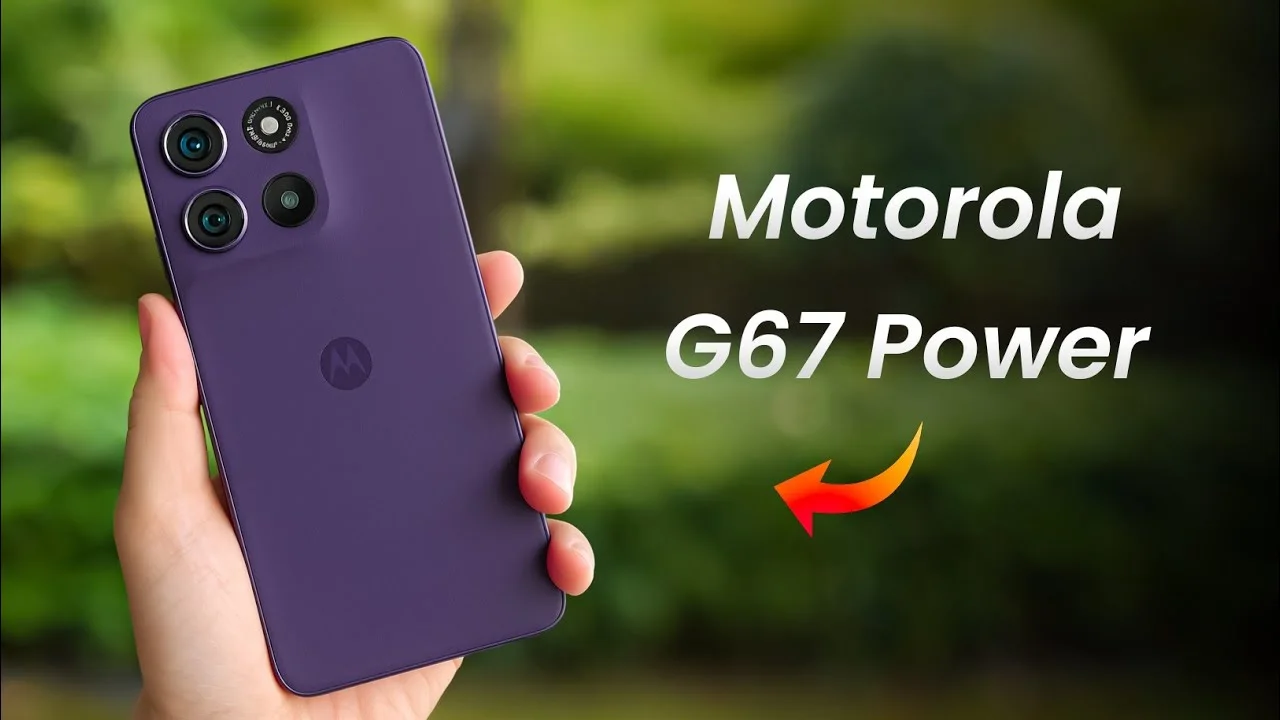
Moto G67 Power Review – Motorola’s New Budget Powerhouse with 7000mAh Battery and 50MP Sony Camera!

The Moto G67 Power review showcases Motorola’s most ambitious budget 5G device yet — one that combines performance, battery endurance, and premium design under ₹15,000. This smartphone is built for users who demand longevity, camera quality, and a reliable everyday experience without breaking the bank.

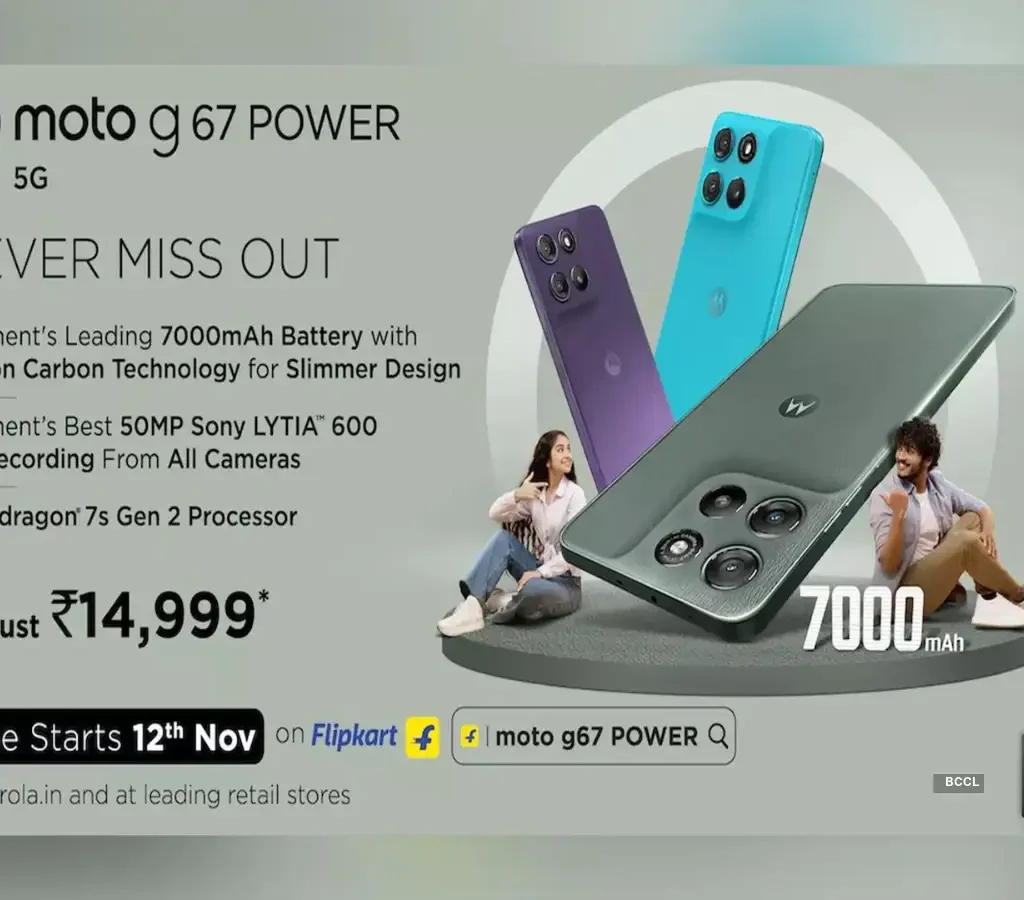
With a massive 7000mAh silicon-carbon battery, a 50MP Sony LYT-600 camera, and Snapdragon 7s Gen 2 power, the Moto G67 Power 5G delivers one of the most complete packages in its price segment. But is it as impressive in daily use as it looks on paper? Let’s find out in this full Moto G67 Power review.

Moto G67 Power Review

Price and Availability

The Moto G67 Power 5G is priced at ₹15,999 for the 8GB RAM + 128GB storage variant, with bank discounts bringing it down to ₹14,999. The device will go on sale from November 12 via Flipkart and Motorola’s official website.

Motorola offers the phone in three Pantone-curated colorsCilantro Green, Parachute Beige, and Blue Curacao — all wrapped in a soft vegan leather finish that elevates the design far above typical budget phones.


Design and Build Quality

At first glance, the Moto G67 Power looks like a phone that costs much more than it does. The vegan leather back offers a smooth matte texture that feels comfortable, while the rounded edges and “S-curve” camera design add sophistication.

Despite packing a 7000mAh battery, the phone measures just 8.6mm thick and weighs around 210g, maintaining a balanced in-hand feel. The frame is polycarbonate, but Motorola adds durability with MIL-STD 810H military certification and IP64 splash and dust resistance.

Other design highlights include:

  • Gorilla Glass 7i display protection

  • Side-mounted fingerprint sensor integrated into the power button

  • 3.5mm headphone jack and USB Type-C (USB 2.0)

  • Dual SIM support with a hybrid SIM slot

The design is both functional and stylish, fitting Motorola’s tagline — “Power meets elegance.”


Display – Bright, Smooth, and Durable

The Moto G67 Power 5G features a 6.7-inch Full HD+ IPS LCD display with a 120Hz refresh rate and 1050 nits peak brightness.

While an AMOLED panel would’ve been ideal, this LCD does a solid job with vivid colors, good viewing angles, and smooth animations. It’s also protected by Corning Gorilla Glass 7i, making it tougher than most displays in this segment.

The screen supports:

  • HDR10+ playback

  • Widevine L1 certification for HD streaming

  • Smart Water Touch 2.0, allowing touch response even with wet fingers

In our Moto G67 Power review, the display stood out for its high brightness and color boost mode, making it ideal for outdoor use and binge-watching alike.


Performance – Smooth All-Rounder with Snapdragon 7s Gen 2

Under the hood, the Moto G67 Power runs on the Snapdragon 7s Gen 2, a 4nm processor that balances efficiency and performance. Paired with 8GB LPDDR4X RAM (expandable up to 24GB via RAM Boost 4.0) and 128GB UFS 2.2 storage, the phone feels snappy and responsive.

  • AnTuTu Score: ~850,000

  • Stability: 99% in CPU throttle test

  • Gaming: BGMI runs at 60 FPS, Call of Duty Mobile at 90 FPS

Whether multitasking, gaming, or streaming, the device handles it all with ease. It stays cool even during prolonged sessions, thanks to Motorola’s internal cooling optimizations.


Software – Clean, Functional, and Feature-Rich

The Moto G67 Power ships with Android 15-based Hello UX, one of the cleanest user experiences in this range. Motorola guarantees one major OS update (to Android 16) and three years of security patches.

Pre-installed apps are minimal, and most can be uninstalled. Motorola includes its signature features:

  • ThinkShield and Moto Secure for privacy

  • Family Space for kids’ safety

  • Smart Connect 2.0 for syncing with TVs and PCs

  • Moto Unplugged for focus time

  • AI tools like Magic Eraser, Photo Unblur, and AI Photo Enhancer

The Moto G67 Power review confirms that Hello UX remains lightweight, responsive, and optimized for performance, enhancing the overall user experience.


Camera – Sony Optics in a Budget Beast

The Moto G67 Power impresses with its camera performance, led by Sony’s reliable sensor technology.

  • Rear Camera: 50MP Sony LYT-600 + 8MP Ultrawide

  • Front Camera: 32MP selfie shooter

All three cameras support 4K video recording at 30fps, a standout feature at this price point. Daylight images are crisp with balanced contrast and vibrant tones. HDR performance is excellent, especially for selfies and wide shots.

In low-light, the Night Vision mode enhances details without oversharpening. Portrait shots deliver accurate skin tones and decent background separation. Video footage is stable with EIS (though OIS is missing).

Motorola also adds Dual Capture Mode, Pro Mode, Slow Motion, and Audio Zoom, making this camera setup highly versatile for creators.

Moto G67 Power

Battery and Charging – Unmatched Endurance

The 7000mAh silicon-carbon battery is the star of the Moto G67 Power review. Motorola claims up to 130 hours of music playback or 49 hours of calls, and our testing backs those numbers.

Even with gaming and camera use, the phone comfortably lasts 1.5 to 2 days on a single charge. It supports 30W fast charging, with a 33W charger included in the box. A full charge takes around 90 minutes, which is respectable for such a massive battery.

Simply put, this is the longest-lasting smartphone under ₹15,000.


Audio, Connectivity, and Extras

Motorola continues to deliver solid multimedia performance. The dual stereo speakers with Dolby Atmos and Hi-Res Audio output loud, clear sound with deep bass.

Connectivity and sensors include:

  • 11 5G bands, Wi-Fi 6, Bluetooth 5.1, GPS, GLONASS, Galileo, and QZSS

  • Fingerprint sensor, gyroscope, e-compass, proximity, and ambient light sensors

  • Missing features: NFC and IR blaster

The Moto G67 Power checks nearly all the right boxes for modern connectivity and media needs.


Verdict

After completing our Moto G67 Power review, it’s clear that Motorola has created one of the most well-rounded budget smartphones of 2025. It offers performance, camera quality, and battery life that easily outperform rivals in this segment.

What We Liked:

  • Massive 7000mAh battery with great endurance

  • Sony 50MP camera with 4K on all lenses

  • Smooth Snapdragon 7s Gen 2 performance

  • Premium vegan leather design

  • Stereo speakers with Dolby Atmos

Could Be Better:

  • AMOLED display missing

  • Only one OS upgrade

  • Lacks NFC and microSD expansion

For users seeking a durable, feature-rich phone with unbeatable battery life and strong cameras, the Moto G67 Power 5G is a no-brainer under ₹15,000.

FAQs About Moto G67 Power Review

1. What is the price of the Moto G67 Power in India?

According to this Moto G67 Power review, the phone costs ₹15,999 for the 8GB + 128GB variant, with launch offers reducing it to ₹14,999.

The Moto G67 Power review confirms that its 7000mAh battery easily delivers 1.5–2 days of backup, making it one of the best in its segment.

This Moto G67 Power review reveals it uses the 4nm Snapdragon 7s Gen 2 processor, offering excellent efficiency and performance for daily use.

Yes, the Moto G67 Power review found that all three cameras—main, ultrawide, and selfie—support 4K video at 30fps with HDR.

Based on this Moto G67 Power review, it’s an excellent choice under ₹15,000 for users prioritizing battery life, camera quality, and a premium design.