Galaxy S26 Exynos leak suggests Samsung is shifting chipset strategy again

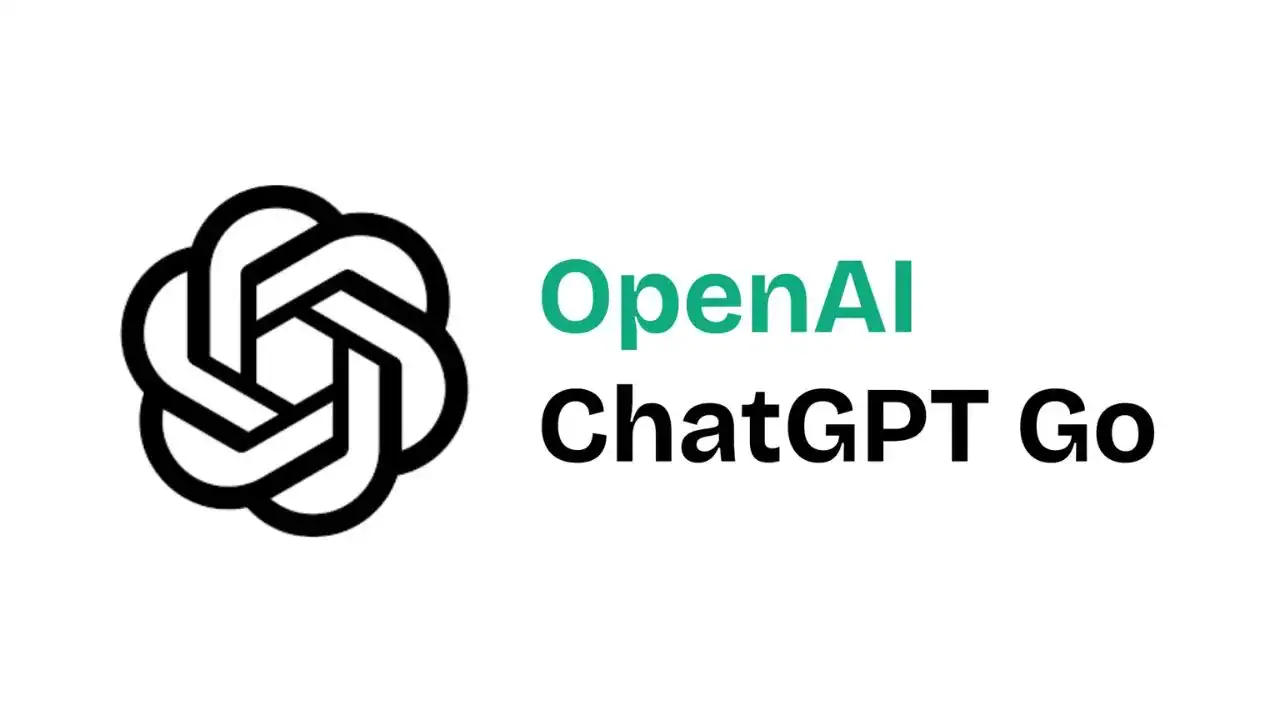
The Galaxy S26 Exynos leak is quickly becoming the most significant hardware rumor ahead of Samsung’s 2026 flagship lineup — not because Samsung is just testing a chip, but because it appears to be preparing a full-scale return of its in-house silicon across multiple models. A newly certified Exynos S6568 connectivity chip has surfaced in a Bluetooth SIG listing, confirming that Samsung is not only bringing Exynos back, but also pairing it with a dedicated companion module to optimize wireless performance for the Galaxy S26 series.

This companion chip isn’t a placeholder — it’s engineered specifically to work alongside the upcoming Exynos 2600 SoC. That suggests Samsung is taking the rebuild seriously and is aiming for deeper silicon integration rather than the “drop-in replacement” model used in older Exynos generations.

Galaxy S26 Exynos leak

Where Exynos 2600 is expected to ship — and where Samsung won’t risk it yet

Despite early speculation that Samsung might go “all-in” on Exynos globally, the more credible reports show a region-based rollout:

RegionLikely ChipReason
US / CanadaSnapdragon 8 Elite Gen 5Carrier requirements + mmWave certification
Japan / ChinaSnapdragonLocal ecosystem tuning + OEM pressure
EuropeExynos 2600Historically Samsung’s testbed
South KoreaExynos 2600Home market showcase
IndiaExynos 2600 (very likely)High-volume, high-visibility stress test

This split alone shows that Samsung still isn’t fully confident in Exynos globally — but is confident enough to push it in major regions.


Real-world performance: not benchmarks — experience

The secondary keyword, as you chose, is placed below:

The bolded “Exynos 2600 leak suggests that Samsung is claiming major architectural gains — especially in GPU and AI processing — which historically were the weak points of Exynos chips. Early numbers suggest a 25–30% uplift in GPU performance over Snapdragon, which, if true, would mark the first time Exynos challenges Qualcomm in gaming and sustained load graphics rendering.


CPU: Burst vs sustained performance

  • Snapdragon may still lead in short single-core spikes (app launch speed)

  • Exynos 2600 could win in long-running workloads due to better 2nm efficiency
    Users will feel this most in: multitasking, video rendering, camera AI, thermals.

GPU: The potential game-changer

If Samsung’s GPU claims hold up, Exynos may finally eliminate the “Snapdragon is better for gaming” narrative — a first.

AI/NPU: Samsung is targeting Apple here

The leak claims up to 6× faster NPU vs Apple A19 Pro.
That means:

  • Live photo enhancement

  • Real-time video AI

  • Offline translation speed
    will all improve instantly at the UI level.

Battery + heat

This is the make-or-break:

If thermal stability really improves from 2nm GAA and the separate connectivity chip lowers RF heat, Exynos will finally fix its historical weakness.

If not — the “Exynos curse” returns.

Why Samsung is pushing Exynos 2600 now — the bigger play

This comeback is not just about ditching Qualcomm. It’s about regaining control of three layers of the flagship stack:

  1. Design (SoC architecture)

  2. Manufacturing (Samsung Foundry 2nm)

  3. Optimization (wireless companion chip S6568)

For years, Samsung built Snapdragon-equipped phones that depended on external silicon cycles. Now, the company wants to behave more like Apple — controlling both the phone and the platform powering it, instead of renting performance every generation.

The new multi-chip approach (main + companion) is exactly how Apple optimizes battery and thermals behind the scenes.

Samsung is clearly trying to replicate that playbook.


Why yield matters more than raw performance this time

One of the biggest reasons Exynos struggled historically was inconsistent production and poor thermal headroom due to weak node efficiency.
Now, Samsung Foundry claims:

NodeYield %Significance
3nm (older)unstableNot consumer-ready
2nm (new GAA)~50%First stable Exynos-class yield

50% sounds low, but it’s actually a breakthrough for a brand-new node.
If Samsung stabilizes yields closer to 65–70% before launch, the Exynos 2600 will not only be viable — it could outperform Snapdragon in consistency, not just bursts.

This explains why Samsung is comfortable giving Europe and Korea the Exynos variant first, while keeping Snapdragon as a fallback in North America.

It’s confidence with a safety net.


S26 Ultra: the real test

If Samsung ships the Ultra model with Exynos outside the US, this will be the first Ultra in years without Qualcomm as its default flagship processor.

That is not a spec change — that is a brand trust test.

The Ultra lineup is Samsung’s prestige product. If Exynos powers it successfully, Exynos regains legitimacy overnight. If it stumbles, Samsung loses premium market trust again — especially in Europe and India.

This is a high-stakes comeback.


Final Verdict: cautious optimism is correct

The Galaxy S26 Exynos leak signals a serious shift in Samsung’s silicon ambitions — not a one-off experiment. The presence of a dedicated S6568 connectivity chip shows Samsung is now treating Exynos like a platform, not a component.

But it’s still too early for blind hype. The fundamentals look strong on paper — 2nm process, GPU uplift, AI dominance — but sustained thermal stability and battery drain will decide whether Exynos finally overcomes its history.

If Samsung delivers what it’s promising, 2026 could be the year Exynos goes from “liability” to “leverage.”

If not, history repeats itself.
ChatGPT Go free in India — OpenAI’s biggest expansion for Indian users in 2025

ChatGPT Go free in India

In a move that has stunned the tech world, OpenAI has chosen India as the first country where ChatGPT Go will be completely free for an entire year. This isn’t a small regional pilot — it’s a full-scale rollout aimed at giving millions of Indian users access to advanced generative AI tools without spending a rupee.

OpenAI’s decision signals one thing loud and clear: India is now the company’s top growth frontier. With the country’s exploding developer base, record smartphone adoption, and deep curiosity about AI, India is exactly where ChatGPT Go can evolve from an app to a daily digital habit.


Why India is getting ChatGPT Go free for a year

According to insiders close to OpenAI’s regional strategy, India represents both the fastest-growing user base and the most competitive AI landscape. Rival tools such as Google Gemini Lite, Copilot, and Claude.ai are already fighting for attention in the same demographic. Offering a free year of ChatGPT Go does three things for OpenAI:

  1. Mass onboarding: India already contributes tens of millions of ChatGPT queries per week, mostly from mobile devices. A free plan instantly multiplies that audience.

  2. Market trust: Giving a full year of access builds loyalty — users who start free are more likely to upgrade to paid tiers later.

  3. Ecosystem seeding: OpenAI knows that Indian developers, educators, and students form one of the world’s largest potential creator communities. Making ChatGPT Go free accelerates that ecosystem overnight.

Simply put, this is not a test — it’s a statement. India is now OpenAI’s biggest playground.


What ChatGPT Go actually includes

ChatGPT Go isn’t a stripped-down chatbot. It’s a streamlined, high-performance version of ChatGPT powered by GPT-4-Turbo, the same engine that drives the premium experience but optimized for everyday users.

Here’s what Indian users will get for free:

  • Access to GPT-4-Turbo for faster, smarter responses.

  • Image understanding and generation directly inside the chat.

  • Voice mode (rolling out region-by-region) for hands-free conversations.

  • File and document analysis — upload PDFs or notes for instant summaries.

  • Memory and chat history sync across devices.

  • No ads, no data sharing, no paywall for the first year.

Essentially, OpenAI has taken what used to be the Plus experience and made it the new default for India.

Who is eligible for the free ChatGPT Go plan in India?

OpenAI is rolling this out nationwide, and eligibility is extremely broad. If you meet the conditions below, you qualify:

✅ You are located in India (based on region + phone number or IP)
✅ You have (or create) a free ChatGPT account
✅ You sign in with an Indian mobile number or Apple/Google ID
✅ You are not required to be a paid user or former Plus subscriber

There is no invite system, no waitlist, and no priority tier — this is a public rollout.

Both new users and existing free users will be upgraded to ChatGPT Go once the rollout hits their account.


How to claim ChatGPT Go free in India (Step-by-step)

This section is what most users will search for, so I’m formatting it cleanly and SEO-ready:

Step 1 — Open ChatGPT

Go to chat.openai.com or open the ChatGPT app (iOS/Android).

Step 2 — Sign in or create an account

You can use Apple, Google, or email sign-in.
Make sure your region is India.

Step 3 — Verify with Indian credentials

Use an Indian mobile number or a Google/Apple ID region set to India.

Step 4 — Wait for upgrade prompt

A banner or popup will appear saying:
“You’ve been upgraded to ChatGPT Go — enjoy 1 year free”

(Rollout is phased; if you don’t see it yet, it will appear soon)

Step 5 — Start using ChatGPT Go features

Image uploads, GPT-4 Turbo responses, memory, document analysis, etc. will now unlock automatically.

There is nothing to purchase, no coupons, no activation code — the upgrade is tied to your account region.


How long will the free access last?

Indian users will receive 12 months of free access starting from the moment the Go plan activates on their account — not from the announcement date. That means if a user is activated two weeks after launch, they still get a full 12 months from that day.


Rollout timeline for India

OpenAI is rolling this out in stages, similar to other major updates:

PhaseUsers
Phase 1Existing ChatGPT app users (India region)
Phase 2Web users logged in from India
Phase 3New signups from India
Phase 4Enterprise & Edu packs (later)

Full coverage is expected within 2–3 weeks from launch.

Why OpenAI is doing this — the strategy behind the move

This rollout is not charity — it’s market positioning. India is the world’s biggest untapped AI adoption base, and OpenAI wants to become the default AI platform before anyone else captures that role.

There are three strategic reasons behind making ChatGPT Go free in India for a full year:

1. User acquisition at massive scale

India leads in daily queries, student usage, developer adoption, and AI-assisted productivity. The fastest way to own this market is to remove the friction: pricing.

2. Edge over Google Gemini and Microsoft Copilot

Google Gemini already has a large Indian user base through Android. Copilot has deep Office/Windows integration.
OpenAI needs a mobile-first hook — ChatGPT Go is that hook.

3. Seeding future Plus subscribers

Once users experience GPT-4 Turbo for a year, Plus and Teams subscriptions later become a natural upgrade path.

This move is how platforms go from popular to dominant.


What this means for Indian users

This is the largest AI accessibility rollout India has seen to date. For the first time, advanced AI tools are being placed in front of students, freelancers, educators, coders, content creators, small businesses, and founders without a subscription barrier.

For a fast-growing digital economy like India, this unlocks:

✅ AI literacy
✅ Rapid prototyping
✅ Faster learning cycles
✅ Startup enablement
✅ Education uplift
✅ Micro-entrepreneur empowerment

This is the type of move that changes future habits, not just current usage.


A turning point for AI adoption in India

With ChatGPT Go going free for a full year only in India, OpenAI is signaling that India is no longer just a “large audience” — it is the priority audience. Once users settle into daily AI usage, the ecosystem around it — apps, automations, APIs, developer tools — expands even faster.

This is the beginning of mass-market AI, not a test-drive.


Final Summary

The ChatGPT Go free in India rollout isn’t a product update — it’s a power move in the global AI race. India is the first country worldwide to receive a full year of free premium-level ChatGPT access, and the strategy is clear: onboard the world’s largest next-gen AI user base before competitors do.

With a broad eligibility window, no waitlist, no subscription wall, and easy activation, this is the most aggressive expansion OpenAI has ever attempted in any country.

For Indian users, this is not just access — it’s opportunity.